
Buy Ubiquinol Now
Lifestyle
Return to Blog
12 Foods to Eat at Night for Less Stress
Author: Heather Jones; Medically reviewed by Allison Herries, RDN
The foods you eat at night can influence how your body responds to stress. Foods rich in magnesium, fiber, omega-3 fats, and other beneficial nutrients may help support relaxation and better stress management.
Some of the foods below are lighter snacks to have before bed. Others are intended to support stress management over time.
1. Avocados
Avocados contain fiber and magnesium.1
Stress can cause a depletion in magnesium, which can interfere with sleep and increase anxiety. Regularly eating foods that are rich in magnesium, such as avocados, can help your body better manage stress.2
The fiber in avocados helps you feel fuller for longer, reducing the likelihood of overeating or stress eating.3 Avocados also contain beneficial nutrients such as:1
- Potassium
- Healthy fats
- Vitamin C
- Vitamin B6
2. Vegetables
Vegetables contain fiber, which may help decrease inflammation in the body. Research suggests diets rich in fiber may reduce the risk of stress, anxiety, and depression.4
Leafy greens are particularly rich in magnesium and folate. Magnesium can help relax muscles and nerves.5 Dark leafy greens also contain folate, which helps the body produce the feel-good hormone dopamine.6 7
Eating a variety of vegetables of different colors also provides a range of vitamins, including vitamins A and C, which may positively affect mood.
3. Fruits
Like vegetables, fruits contain fiber along with vitamins and minerals that can help with stress management.
Vitamin C can help regulate levels of cortisol, which is known as the stress hormone.8 Some fruits that provide vitamin C include berries and citrus fruits.9
Bananas are also a good option, as they’re a source of helpful nutrients such as:10
- Complex carbs
- Potassium
- Magnesium
4. Beans and Lentils
Beans and lentils provide fiber, magnesium, and B vitamins.
Chickpeas and lentils provide magnesium, while chickpeas also contain L-tryptophan, which helps the body produce serotonin (a hormone involved in stress and mood regulation).11 Beans and legumes are sources of B vitamins, which can have a calming effect.12 13
5. Lean Proteins
Protein provides amino acids that help build hormones and neurotransmitters involved in the body’s stress response. Not getting enough protein can negatively affect mood and brain function.14
Look for lean protein foods such as:
- Fish
- Chicken
- Turkey
- Eggs
Eggs provide vitamin D. Low vitamin D levels have been associated with stress, anxiety, and depression.15
Chicken, turkey, and eggs also provide B vitamins, which may help reduce stress and support brain function.12 16
6. Omega-3 Rich Foods
Omega-3 fatty acids have anti-inflammatory effects and may help reduce anxiety. Research suggests omega-3s may also help protect the body against cortisol surges.17
Additional benefits include supporting brain and heart health.18
Sources of omega-3s include:18
- Fatty fish, such as salmon, sardines, and mackerel
- Walnuts
- Chia seeds
- Flax seeds
7. Nuts and Seeds
Nuts and seeds make an easy evening snack because they provide a combination of protein, fiber, healthy fats, and magnesium. Other nutrients that contribute to stress management include:19
- B vitamins
- Selenium
- Vitamin E
- Folate
- Potassium
8. Probiotic and Prebiotic Foods
About 95% of serotonin receptors are found in the lining of the gut, making a connection between the gut and brain.20
Foods that contain probiotics, prebiotics, and fiber help promote a healthy gut microbiome, which can help support mental health.21
Foods containing probiotics include:22
- Some yogurts
- Kombucha
- Sauerkraut
- Kimchi11
- Kefir
- Tempeh
Foods that are high in fiber contain prebiotics, which help feed beneficial gut bacteria.23
9. Whole Grains
Whole grains provide fiber and can help keep blood sugar stable, provide steady energy, and reduce stress hormone levels in the brain.24 3
Examples include:25
- Oats
- Quinoa
- Brown rice
- Whole wheat pasta and bread
- Bulgur
- Buckwheat
10. Oysters
Oysters and other foods rich in zinc may help reduce anxiety and stress.26 Oysters also contain magnesium and B vitamins.27
11. Certain Teas
Both chamomile and lavender teas can have a calming and relaxing effect.28 29 Because they are naturally caffeine-free, they are good options for nighttime drinking. Peppermint and lavender teas have also been shown to improve sleep quality.30
Green tea contains caffeine, which may affect sleep if consumed too close to bedtime.31
12. Certain Spices
Turmeric, particularly when combined with black pepper, may help lower inflammation and reduce anxiety.32 Turmeric contains curcumin, which can help fight inflammation and support brain health.33
Ginger can also be soothing for the stomach, making it a good option before bedtime.34
Foods to Limit Before Bed
Stress and sleep are interconnected. Getting enough good-quality sleep is vital for stress management.
Foods and drinks to avoid before bed include:35
- Alcohol
- Caffeinated foods and beverages
- Highly processed foods
- Foods high in saturated fat
- Sugary foods and drinks
© People Inc. Group. All rights reserved. Used with permission.
*Information on this site is for informational purposes only and is not a substitute for medical advice. Always consult your doctor or licensed healthcare provider with any questions about your health and before starting a new exercise program. Never delay contacting your doctor or disregard medical advice because of something you have read on this website or the internet.

Support Your Health Journey
Sign up for our Kaneka Ubiquinol® Newsletter & get tips and resources on cellular wellness, healthy aging, heart health, supplement facts more – delivered right to your inbox.
"*" indicates required fields
You may also be interested in

Exercise
Can a Workout Really Make Up for Sitting All Day Long?
Author: Jakob Roze, CSCS Between desk jobs, commuting, and screen time, it’s no secret that a large percentage of Americans spend the vast majority of...
Exercise
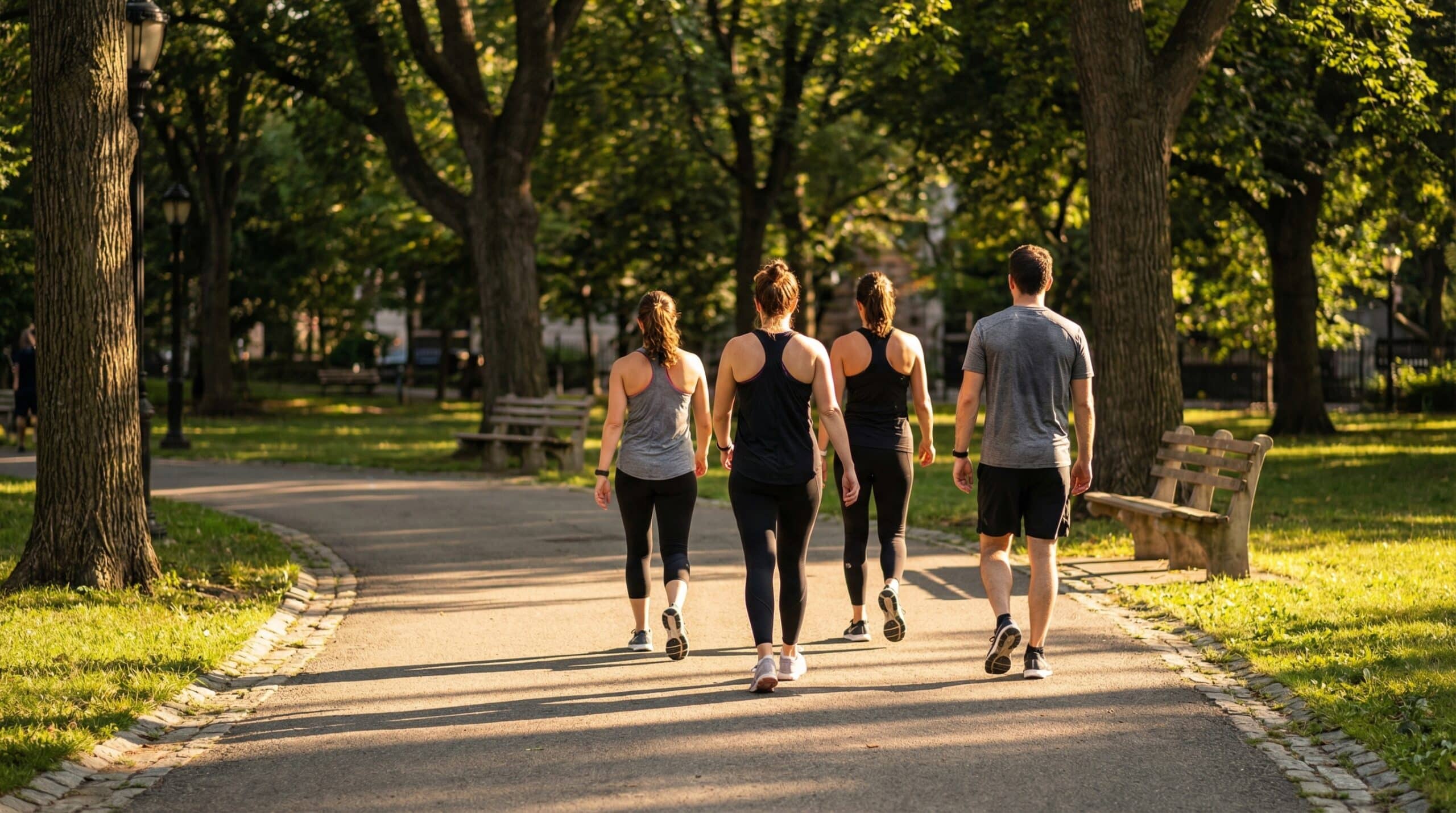
Beginner-Friendly Tips for Starting a Walking Routine to Build Muscle
Author: Jenessa Connor, NASM-CPT There are so many reasons to start a walking workout—not only is it accessible, but walking also has links to weight...

Exercise
8 Reasons Why It’s Never Too Late to Strength Train
Author: Julia Sullivan, CPT; Fact checked by Nick Blackmer When most people think of anti-aging, they likely imagine pricey skincare or do-it-all supplements—but strength training...