Buy Ubiquinol Now
HAPPY HEALTHY AGING MONTH! SAVE 25% AT NEWQ.COM
Shop Kaneka Ubiquinol® supplements and save 25% sitewide with code HEALTHYAGING
SHOP NOWHAPPY HEALTHY AGING MONTH! SAVE 25% AT NEWQ.COM
Shop Kaneka Ubiquinol® supplements and save 25% sitewide with code HEALTHYAGING
SHOP NOW

Updated on May 29, 2025
The preconception journey is not a solo one: in order to find success as a couple, you and your partner must work as a team and understand your roles in the process. If you’re thinking about how to prepare for preconception but aren’t sure where to begin, you’re not alone. While there are various components to preparing for preconception, we have some easy basics to help you and your partner be as healthy and ready as possible. Preconception health is both an individual and partnership experience, and this blog offers you tips for lifestyle adjustments and actionable starting points you need to grow your future family.
Beginning your preconception experience might feel overwhelming, but you should start with something simple and accessible: conversation. Discussing shared values, hopes, concerns, and expectations with your partner will increase your bond and ensure you’re on the same page for lifestyle, financial, health, and family planning goals.
Wondering how to navigate these conversations with your partner? Resources like couples counseling and coaching support your emotional readiness process so you can both align your physical health goals with your mental health needs. More specifically, preconception counseling “consists of health promotion, risk assessment, and education that occurs early enough to optimize an individual’s health prior to and during” the preconception journey.
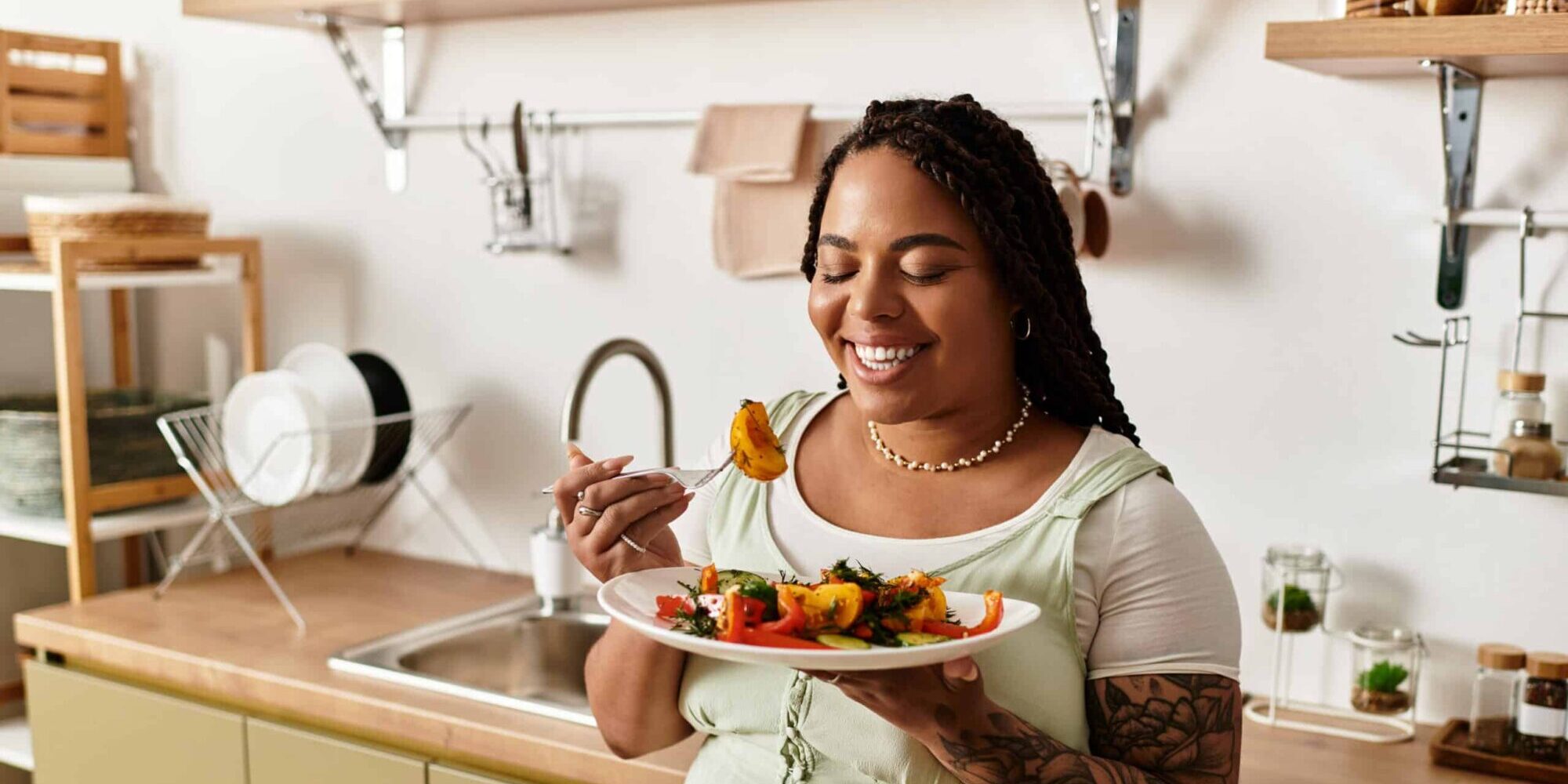
Healthy nutrition is not just about the mother’s health: both partners should prioritize their diet to support their preconception journey. The term “you are what you eat” is especially true for preconception, and eating foods rich in vitamins and minerals (like folate, zinc, and omega-3s) plays a role in egg and sperm health. This doesn’t mean giving up your favorite goodies and treats, but you might be surprised at how far limiting processed foods and sugars – and prioritizing hydration – goes in supporting your preconception journey.1
While diet is a big piece of the preconception puzzle, supplements and prenatals can give you the extra help you need. The Kaneka Ubiquinol® preconception and reproductive health supplement for women and the preconception supplement for men give you peace of mind as you work on growing your family.
Read more: Prepare for Preconception With Support From Kaneka Ubiquinol®
No preconception journey is complete without exercise and movement to accompany a healthy diet. Yet, like anything in the preconception process, each partner plays a role. Regular exercise is important for both partners to balance hormones, manage stress, and promote couples bonding. Movement doesn’t have to be rigorous or extreme: find movements that work for you like walking, yoga, strength training, and moderate cardio. Many of these are already ideal for couples bonding, as you can jog, dance, hike, or bike together and build your emotional connection!
While movement is magic for preconception, there is such a thing as too much exercise for the preconception journey. Women, especially, should be wary of overexercising and overtraining, as overexertion can impact ovulation. Make sure you approach your exercise routine with balance and moderation.
Stress is part of life, but it can also have negative impacts on your health and emotional well-being. Managing stress is particularly important in the preconception process because stress can affect your hormones, vitals, and mental health. In fact, a recent study found that when patients focused on minimizing their psychological stress, they had better preconception success.2
Luckily, we have some tips for reducing stress so your body and mind can stay healthy and supported:
Between work, family, and finances, life can get overwhelming quickly. Understanding each other’s triggers can help you both work together to foster a healthy environment.
Managing your physical and mental well-being is one thing, but controlling the health of your environment is another critical component to preconception. Toxins, bad air quality, and other substances like alcohol, tobacco, and caffeine can have impacts on preconception health. While you can’t control every element of your environment, you can focus on the following to give you more confidence in your preparation:
Cleaning products are the biggest culprits of toxins in the home, but items like candles and skincare products pose risks, too. If you’re looking for ways to reduce toxins in your home, try switching to clean and green products.
Growing your family means fostering the united front between you and your partner. With healthy lifestyle changes that consider nutrition, exercise, stress management, and environmental elements, you and your partners can prioritize preconception health one step at a time. Small, consistent changes make a big impact on your family’s future.
Read more: Looking for More Tips on Preparing Your Body for Preconception?
*Information on this site is for informational purposes only and is not a substitute for medical advice. Always consult your doctor or licensed healthcare provider with any questions about your health and before starting a new exercise program. Never delay contacting your doctor or disregard medical advice because of something you have read on this website or the internet.

Sign up for our Kaneka Ubiquinol® Newsletter & get tips and resources on cellular wellness, healthy aging, heart health, supplement facts more – delivered right to your inbox.
"*" indicates required fields

Social media makes us think healthy aging requires a cold plunge, a red light therapy mask, a cabinet full of peptide stacks, and a robust...

Noise and marketing around supplements can feel overwhelming, especially with so much information out there. With all the buzz around your supplement stack, many people...
Reviewed by Amanda Kostro Miller When you start looking into preconception nutrition, so much advice often centers around nutrition and what you’re eating. Often, the...